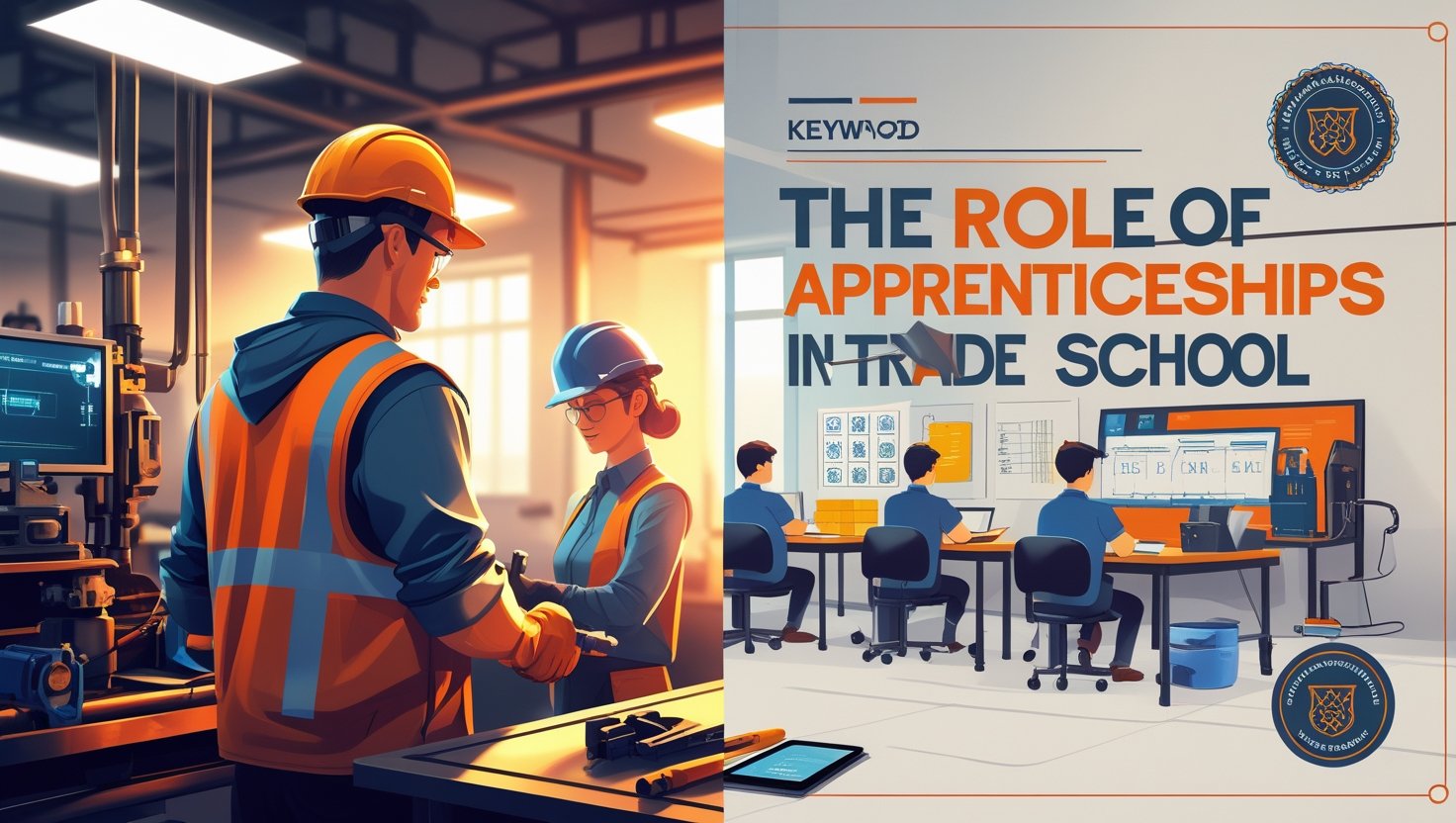
In today’s times, just bookish or theoretical knowledge is not enough. Unless a student has practical or hands-on experience, it becomes difficult for them to understand the real meaning of their field. Hands-on experience means learning a skill or work by doing it with your own hands, where you get a chance to work directly with tools, machines, or patients. This experience prepares you for real-world situations where you also get to learn skills like decision-making, time management, and teamwork.
When a student only attends lectures in the classroom, he or she understands the concepts, but when he or she practically applies the concepts, his or her learning becomes deeper and stronger. This kind of training helps students gain confidence in their work and also learn from their mistakes. Hands-on experience is the foundation of any career, especially in fields where physical skill and accuracy are important, such as becoming an electrician, mechanic, nurse, or chef.
This is the reason trade schools include hands-on training in their courses so that students not only pass but become capable as well. Ultimately the aim is that when students enter the job market, they should be prepared, skilled, and be a valuable resource for an employer.
Difference between Classroom Learning and Practical Training:
There is a huge difference between classroom learning and practical training, which every student should understand. When you are in the classroom, you learn theory from teachers, make notes, and prepare for exams. This knowledge is important, but until it is applied in real life, it remains useless. In the classroom, you just listen and try to understand, but when you work in a workshop or the field, you do with your own hands everything that you have read in books.
In practical training, you deal with machines, tools, and actual problems. You make mistakes, learn from them, and improve your approach. Here you understand how to put theories into practice. For example, if you are becoming an electrician, it is not enough to just understand the diagram of circuits; you have to learn wiring by doing it yourself.
Classroom learning gives you basic knowledge, while practical training gives you experience and confidence. Both have their role, but if you have only classroom knowledge and no practical training, it becomes difficult to survive in the job market. That’s why we balance both trade schools so that students come out prepared from every angle.
Common Fields That Require Hands-On Training:
Hands-on training is most important in fields where skills are directly used. There are many careers where you have to learn not just theory, but by doing actual work. For example, the job of an electrician, where understanding and making wiring, connections, and circuits comes only from practical experience. Similarly, the job of a plumber cannot be learned just from books, but installing pipes, fixing leaks, and using tools is also important.
Welding is also one such field where work is not possible without hands-on training. Welding machines, metal cutting, and safety practices can only be learned through practice. Automotive repair technicians also become experts by working on real engines and vehicles. Nurses and medical assistants in the healthcare sector have to learn how to give injections, take care of patients, and handle emergencies in the real environment.
The field of culinary arts, i.e., cooking, is also such that reading recipes is not enough; making food and maintaining the taste are very important. There are other fields, such as cosmetology, HVAC (heating, ventilation, and air conditioning), carpentry, and mechanics, where hands-on experience makes a candidate an expert. All these fields are proof that learning real work is possible only through practical training, which is why students should gain experience in these fields through trade schools.
How Trade Schools Facilitate Hands-On Learning:
The biggest benefit of trade schools is that they focus on practical training along with theory. These schools have modern workshops, labs, and training stations where students learn using real tools and equipment. Each course has a proper setup where students are exposed to real-life situations to polish their skills.
For example, if a student is becoming an HVAC technician, he is made to work with heating and cooling systems in training labs. Nurses are allowed to practice injections and medical procedures on dummy patients. Welding students work on real metal sheets, and electrician trainees design and repair circuits.
Trade schools instructors are also industry professionals who teach students real challenges and safety protocols. Some schools also offer internships and apprenticeships where students gain on-site experience working with companies or professionals. This way students not only pass the course but are also job prepared.
The hands-on training system of trade schools makes students confident, corrects their mistakes, and prepares them for the job market with practical knowledge. This is why the demand and value of these schools are increasing these days.
Benefits of Hands-On Experience in the Job Market
When a candidate has hands-on experience, their impression on employers is very positive. He is not just a graduate, but a trained professional who can start work immediately. Such candidates get more preference because they do not need to be given extra training. Due to this, their job opportunities are more, and they come to the hiring list quickly.
People with hands-on experience are more confident, they have practical knowledge of the work and they perform well even under stress. Their problem solving skills are strong because they have already faced real situations. Employers consider them reliable and productive.
When students from trade schools complete internships or apprenticeships, they often find permanent jobs in those places. This means that hands-on experience not only makes you skilled but also secures your career.
And the most important thing is that you become a master in your field. You have not just a degree, but experience of doing real work. This makes you different and more valuable than other candidates. That is why every student should be serious about hands-on training if he want to secure his future.
Conclusion:
Ultimately, it all comes down to one thing skills. And you only get skills when you do the job yourself. Trade schools provide hands-on training to students for this very reason, so that they can learn practical skills along with theory. Today’s job market values only those people who can show their work, who know how to use tools, and who are familiar with machines and real-life systems.
Hands-on experience not only gives skills, but also gives confidence. When you have worked in any situation, you are not afraid, you find a solution to every problem. These qualities take you ahead in the job.
When you present your resume to an employer, it becomes even stronger if you have hands-on experience along with a certification. This experience takes you from entry-level to mid-level or senior-level positions.
Today’s time is not just about bookish knowledge, if you want your career to be strong, secure, and you want to progress quickly, then gaining hands-on experience is a must. This makes you a professional who can become a valuable part of any industry.
FAQs:
- Why is hands-on experience important in trade school education?
Hands-on experience is crucial because it allows students to apply theoretical knowledge practically. This direct involvement helps develop real skills, builds confidence, and prepares students for actual work scenarios, making them job-ready and valuable to employers. - What is the difference between classroom learning and practical training?
Classroom learning focuses on theory, notes, and exams, providing basic knowledge. Practical training involves working directly with tools, machines, or real situations, allowing students to practice, make mistakes, learn, and gain confidence, which is essential for mastering skills in trade careers. - Which fields require hands-on training the most?
Fields like electricians, plumbing, welding, automotive repair, nursing, culinary arts, cosmetology, HVAC, carpentry, and mechanics require hands-on training because these jobs need practical skill, accuracy, and experience with real tools and work environments. - How do trade schools support hands-on learning?
Trade schools provide modern workshops, labs, and training stations equipped with real tools and equipment. They employ industry professionals as instructors and offer internships or apprenticeships where students gain real-world, on-site experience, preparing them fully for their careers. - What are the benefits of hands-on experience in the job market?
Candidates with hands-on experience are more confident, skilled, and reliable. They often require less additional training and have better problem-solving abilities, making them more attractive to employers. Hands-on experience can lead to quicker hiring, better job security, and career advancement.